Wednesday, December 22, 2021

Blogger #25- Vincent Peng-Period 2- 12/21/21

 Aim: How can an analysis of Aristotle’s techniques

of Rhetoric reveal continued relevance in today’s

world?


We left off yesterday discussing Ethos, so today we briefly went over what it was and a Do Now question which was:

Based on the previous lesson, create an argument using

ETHOS, for the following topic:


Should parents be able to access student grades online?


My group discussed that our parents should be able to access our grades because they are our guardians and they need to know what we are excelling in and what we are struggling in. The whole class agreed and a classmate added how they are important to that student’s life and they should know if there is any trouble or if they need to give guidance about a certain subject. 


Ethos: refers to the trustworthiness of the speaker or writer about a certain topic.


After answering the Do Now, we then started to talk about Pathos. 

Pathos: refers to using the audience’s emotions, sympathies and imagination to prove your point. 

Words aren't the only way to achieve this appeal. Videos, pictures or visuals can capture the audience emotionally and draw them in to your side of an argument or advertisement. 


Here in this picture, we see that Haitian children are 

digging for water since the Haitian people don’t have 

access to any water. This picture draws the reader 

emotionally since we take this (having access to

water) for granted and we feel sympathy. This is an

example of using Pathos. 

Here we are given this advertisement for a car that shows the use of Pathos.  2014 Chevy Commercial - Maddie


In the beginning of this advertisement, it draws the audience emotionally by having sad music playing, the life problems us humans go through and the moment when the girl first gets her dog. Then at the very end, it shows an advertisement for a car, which no one expected. The purpose of having these sad moments in the beginning is so that the audience is drawn into the ad and seeing these moments will make them think that they should buy the car. This is another example of how Pathos is used. 


After Pathos, we learned about Logos. 

Logos: appealing or persuading the reader by using reasoning and statistics. 

This method of persuasion is Aristotle’s favorite of the three we learned. The use of logos pulls the audience because some may rely on reasonings and facts to make a decision about the writer’s point of view. 


In the lesson, we are given this video that shows an example of Logos.

Dramatic and eye opening anti smoking ad Sponge by ANPHA


In this video, it shows the consequences of smoking cigarettes and what it may do to your body. Using these statistics and information about what smoking can do, this is a way to persuade people and rightfully inform people about what is right. 


Review of the lesson:

Ethos: an ethical or moral argument 

Pathos: an emotional argument 

Logos: a logical argument 


Next we were given a video that has all three techniques and we were supposed to identify all three. 

Ethos,Pathos,Logos Commercial

For logos: In the video, we were given the statistics about Coca-Cola such as it being the number one leading soda brand in the United States and how much it costs. 

For Pathos: It's stated in the video that most of the funds go to St. Jude Hospital, which is a place where doctors do research about cancer and other illnesses. This may touch many people and make them start buying this product. 

For Ethos: The video shows that many famous people and organizations recommend Coca-Cola, which may get the audience to believe those people and buy it. 


Conclusion: 

What did I learn? 

During the past few days, we learned about the three different techniques that Aristotle used to persuade people. We learned the difference between ethos, pathos, logos, and that they are different and effective ways to persuade people today. Ethos is using ethical, or moral judgement in an argument, Pathos is using emotions to sway the people into believing their statement, and Logos is using logical reasoning and statistics to persuade people. 

Why did I learn this?  

The aim of this lesson was to understand how Aristotle’s techniques of Rhetoric reveal continued relevance in today’s world. We know that there are different ways to persuade people as shown from Aristotle’s techniques. Knowing these techniques we can identify where it is being used and how to use them. For example, if someone is testifying at a court, they may show emotion and try to sway the jury into believing them. If that works is up to them and their decision whether to go with it or not. This is an example of Pathos. Another example could be health doctors around the world. Right now, we are in a pandemic where a virus has killed many people. These health professionals will use statistics to try and get people to be safe and get vaccinated. This is an example of Logos. 

How will I use what I learned?

From this lesson, I can make reasonable arguments and use one of these techniques to support my argument and make it stronger. I will also be able to identify these techniques that are being used everyday by different people and in texts written by different writers. 

Tuesday, December 21, 2021

Blogger #8 - Rachel Chen - Period 8 - 12/21/2021

Housekeeping: No blogging on Thursday, December 23, 2021


Aim: How is the tone, mood and theme in Macbeth illuminated by the symbols in Act II, scene ii, while contributing to the work as a whole?


*There was no DO NOW for today since it was done yesterday and today is a continuation of where we left off yesterday. 


Link to the google slides:

https://docs.google.com/presentation/d/1Ot5zBZiWaIhKC9hc_V-oz1cjwLaySXAMaoyhrXfwW8Q/edit#slide=id.p1


Right after attendance, we got right into business as we were warned that today was going to be a jam packed lesson. Roles were given out and we started to read Act II, Scene II [4 pages] as a class. 


After reading, Ms. Peterson prompts us to work collaboratively as a group to answer the following questions to the best of our ability. She also hints to us that there will be further meanings to the constant knocking that is being mentioned in the scene.


Teamwork Questions and Answers:

(Contains multiple group answers, in red is my group’s answers, in blue is other group’s answers shared)

  1. Why do you believe Shakespeare chose to have the murder committed off-stage?

    • To keep the details vague and allow for more suspense

    • Allow the reader to infer what happened

    • Get it done and over with since Macbeth was always so indecisive and committing it offstage could help quicken it

    • Fiona- the king was watching the play, did not want to kill right in front of him and piss him off. 

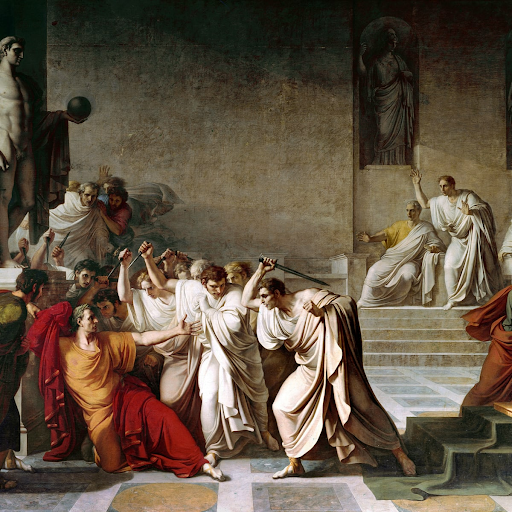
Ms. Peterson continues to explain other examples as to how not showing the murder of royal/political figures was a common practice, for example, the stabbing of Julius Cesar and the murder of the king in Hamlet.

  1. How has the theme of nature been revealed at the start of this scene by Lady Macbeth?

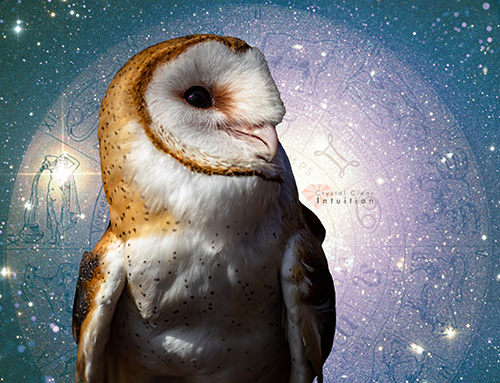
    • The owl making the sound shows how nature is oblivious to what humans are doing. It doesn’t care that the King was killed.

    • Owl represents death, the screeching, and its cries (Refer back to symbols chart 2 lessons ago in the lesson “7 Studs Mac Act II, i”)

  1. In what way(s) does Lady Macbeth now appear to be weak, whereas she was strong, and why does this make her a hypocrite?  

    • Incapable of killing Duncan because he looks so similar to her father, she’s pointing fingers, but she remains incapable of doing the deed she is making Macbeth commit

    • Also hypocritical because Duncan treated Macbeth so well, like a father, and she expects him to kill Duncan even though she couldn’t because of similar reasons

  2. Describe how both Macbeth and Lady Macbeth behave upon his return from the murder.

    • Lady Macbeth is already planning the next move, telling Macbeth to place the bloody daggers by the body

    • Macbeth seems to be spooked, he does not want to revisit the bodies to put the dagger back 

    • They are frantic which could be indicated in the fast paced dialogue 

  1. Why does Macbeth become “spooked” after he killed Duncan?

    • He realized that Donalbain and Malcolm had started hysterically laughing in his sleep and the other one had screamed “MURDER” randomly

    • When they were praying, he couldn’t even say “AMEN” because of the horrible act that he had done

  2. Analyze lines 47-49: “Methought I heard..” 

  1. What does Macbeth think he hears and why do you think he “hears” this?

    • Macbeth is hearing a lot of knocking, and we think he hears this because he feels guilty and is paranoid that he will be caught

    • Holy retribution, cursed, the theme of heaven - Thomas

  2. What literary device is being used and how is it applied here and how does it apply?

    • Repetition- for more tension, expresses how frequent he thinks of the knocking and his paranoia

    • Onomatopoeia - the sound of the knocking

    • Irony- murders someone innocently in their sleep and now he can’t sleep

  1. Assess Macbeth’s actions since his return from the murder.  What mistake has he made and why do you think it happened in the first place?

    • Macbeth brings the weapon of murder with him, which would incriminate his person if it was found, and we believe it probably happened because he was spooked by what he has actually done

    • He felt guilty, his first instinct was to get outta there, he did not think to leave it

  1. What do you make of his refusal to rectify his mistake and Lady Macbeth’s insistence to fix it?  How might she be feeling as she remedies the action “Infirm of purpose!”?

    • He did not want to go back and see the damage he has done to a good king 

    • If he goes back to fix his mistake, he’ll see that he actually killed Duncan and would have to face reality. He also doesn’t want to get caught in action

    • Lady Macbeth may feel panicky since there’s a knocking and she still has evidence in her hands and has to see Duncan who looks like her father dead. 

    • She starts to feel like how Macbeth is right after.

  2. Interpret Macbeth’s line, “Will all great Neptune’s ocean…hand?”  Explain the purpose for his comment.  Literary device???

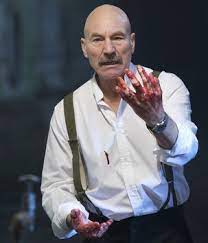
    • His hands are covered in so much blood, literally and physically meaning that it would take an ocean to wash it away because of how sinful the act he just committed was

    • Joey - the purpose was to illustrate the extent of the situation, and the literary device used was a hyperbole 

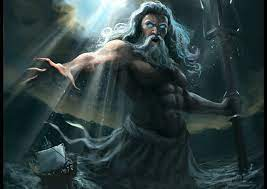
    • The allusion to Roman mythology, Neptune was originally the god of fresh water and has a Greek counterpart famously known as Poseidon. 

  1. Lady Macbeth states, “My hands are of your colour; …white.”  How do you explain her hands being the same colour?

    • She is shocked and cold 

    • She is saying Macbeth's hands are stained with blood (metaphorically and literally) and she is saying that her hands are also stained because she participated in Duncans murder

    • Takes the daggers from Macbeth's hands who were stained with blood

  1. Explain the dual meaning behind Lady Macbeth’s statement, “ A little water clears us of this deed:”.

    • Literal meaning - Washing away the evidence/blood and cleans themselves up

    • Figurative meaning - Washes away the sins, deeds, and cleanses their souls 


We did not finish the entire lesson and are going to continue tomorrow in class.


Reflection:

What did I learn? Why did I learn it? How will I use what I learned?

In today’s lesson, I learned that the tone, mood, as well as theme expressed through symbols really, do contribute to the work of Macbeth as a whole and bring everything together. Though it was a denser scene with a lot of deciphering of some of the symbols, it makes everything that was going on in the scenes so much more clear. I believe that we learned this because the close examination and use of these symbols allow for the reader to get a better understanding of the theme, tone, and mood the author hopes to express to the audience. This would further allow for the audience to better piece together what is going on and possibly visualize what exactly is going on in the scene. An excellent example of this is the mentioning of owls in the reading. From a previous lesson, we learned that the symbolism of an owl and its cries are death. This helped reveal the theme of nature in the story as nature, the owl, is indicating to everyone that King Duncan is dead. The bloody dagger and hands are symbols of the sinful act that Macbeth had committed. They are a sign of Macbeth’s internal conflict with himself as he feels extremely guilty and so paranoid that he forgot to leave the daggers there. It also expresses the tone and mood of the scene as tense, cautious, and has a darker mood than any other scenes we have read. There was also a mix of allusion, hyperbole, irony, and other literary devices being used in this scene that also helps bring together the entire scene. The mentioning of Neptune, is an allusion, to further emphasize how sinful their acts were and how it requires the entire ocean to cleanse them. The irony is used to show how guilty Macbeth feels, as it was ironic that he had killed an innocent person (Duncan) in his sleep and now he is restless as well. All in all, the mixed usage of literary devices, figurative language, and symbols by the author helped clarify the scene for me. I could use what I learned in today’s lesson in future writing pieces or in future readings. As a writer, I would be reminded to use these similar devices, language, and symbols to help my audience grasp a better understanding of what I am trying to convey. As a reader, I could use this knowledge in future readings to search for these things which could help me understand that story better.


Blogger #5- Darren Chin- Period 9- 12/21/21


Aim: How is the tone, mood and theme in Macbeth illuminated by the symbols in Act II, scene ii, while contributing to the work as a whole?

Do Now: We read Act II, Scene ii of Macbeth today. Noah voiced Macbeth and Emily voiced Lady Macbeth.

A brief recap of Act II, scene ii is provided below. In addition, an interactive video will be provided at the end of this short summary in case you need more information.

https://www.youtube.com/watch?v=XPjtWm3VIvQ (another version of Act II Scene II of Macbeth)

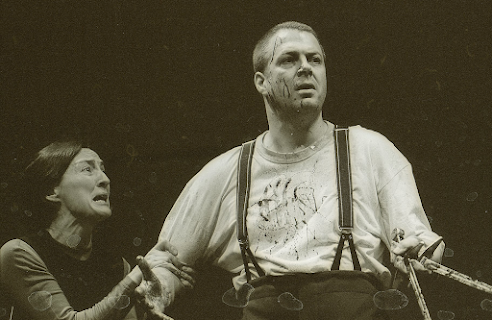
Act 2 Scene 2 | Macbeth | 2018 | Royal Shakespeare Company

Lady Macbeth states how all the doors and the opportunity to kill King Duncan is unlocked. The drug-laced alcohol given to the chamberlains and guards have all knocked them out completely, leaving Duncan unguarded and prone to attack. While Duncan was busy killing King Duncan, there was an owl that let out a shriek. In the book it is referred to as a “fatal bellman”, which can be seen as a death messenger, in the way how the owl is delivering news that Duncan’s time is over. Lady Macbeth describes how she could’ve killed King Duncan, but stopped herself after how much he reminded her of her own dad sleeping.

After Duncan completed the murder, two of the guards woke up, one of them screaming “Murder!” and another laughing in their sleep. As soon as they woke up, they said their “Amen” and went back to sleep. Macbeth tried to say this too but could not, due to the fact that he just committed a sin/crime. In addition, Macbeth was hallucinating, and he heard the following line:

“Sleep no more! Glamis hath murdered sleep, and therefore Cawdor shall sleep no more. Macbeth shall sleep no more.”


This quote says that Macbeth cannot sleep because he murdered an innocent person while sleeping, in turn murdering his own ability to sleep. Lady Macbeth just realized Macbeth came back with two bloody daggers in his hand when he was supposed to leave it with the chamberlains and smear Duncan’s blood over their faces to frame them of this crime. Lady Macbeth offers to do this job. While Lady Macbeth does this job, Macbeth hears an ominous knocking. He thinks that the people are catching up to him now and are here to bust him. Macbeth says:

“Will all great Neptune’s ocean wash this blood clean from my hand?”


This is Macbeth begging desperately for his sins to be quickly cleared so no one catches up to his murder. Lady Macbeth comes back with the job of framing the chamberlains done and they both go back to their chamber. The knocks are more persistent and they leave the scene to clear any suspicion on them.

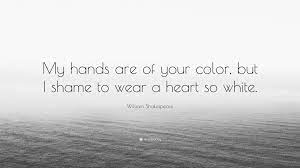
“My hands are of your color, but I shame to wear a heart so white.”


Quick summary of Act II, scene ii- https://www.youtube.com/watch?v=6KjCBNZnXVY&ab_channel=CourseHero


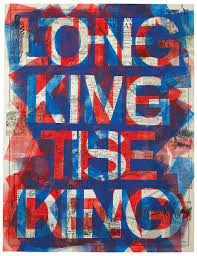
Ms. Peterson asked us a simple question: Why are all the actors in Shakespeares’ plays called the “king's men”? Well, this is because Shakespeare changed the acting company to “King’s Men”. In addition, our peer, Angel, knew that Shakespeare making the king get killed in a play was a really bad influence to commoners and peasants as these plays were seen all around the world. It was not only royalty that went, everyone went, commoners went ,and they did not want to influence bad ideas. Throughout all of Shakespeare plays, kings and high power, those plays never are reenacted on stage, “long live the king”.


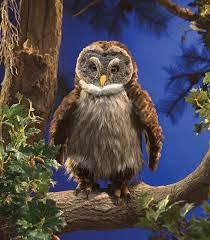
An owl shrieks at the same time Macbeth kills Duncan; shrieking is not natural from an owl in nature. Milana mentioned how an owl signifies night/darkness which can be closely associated with evil behavior. The owl is a deathbell for Duncan, where it is hooting simultaneously.. an ominous, major omen.


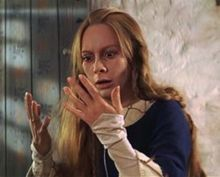
Lady Macbeth is seen and perceived by people in this chapter as “weak”. Angel said that she was a little anxious and nervous about waiting for Macbeth’s return, compared to when she was being brave and convincing Macbeth to kill Duncan. Marianna mentioned how in the beginning, you could see Lady Macbeth calling Macbeth a coward for having mixed feelings about killing the king. However, in Line 16, Lady Macbeth stated that if the king did not look like her father, she wouldn't kill him. This all leaves us with a question in mind: Lady Macbeth didn't kill Duncan, so what makes her right to call Macbeth a coward?


In order to figure out Macbeth and Lady Macbeth’s behavior after the murder, you have to keep track of dialogue. They both are really nervous, paranoid, and possibly hallucinating. The reason why Macbeth was so shocked after he killed Duncan was because he heard Donalbain and Malcolm. One of them screamed “Murder!” and one of them laughed. Someone said murder, did I get caught?


Macbeth’s subconsciousness feels guilty and he's hallucinating, and when you’re guilty you can start to hear things. A separate voice in our mind screams to us danger, you are going to get in trouble.


Macbeth murdering Duncan is a prime example of irony. He, who is murdered innocently in sleep by Macbeth. Now, as a result, Macbeth cant sleep because he murdered a sleeping innocent person, murdering his own ability to sleep and his character as a whole (your whole life changes after you murder someone).

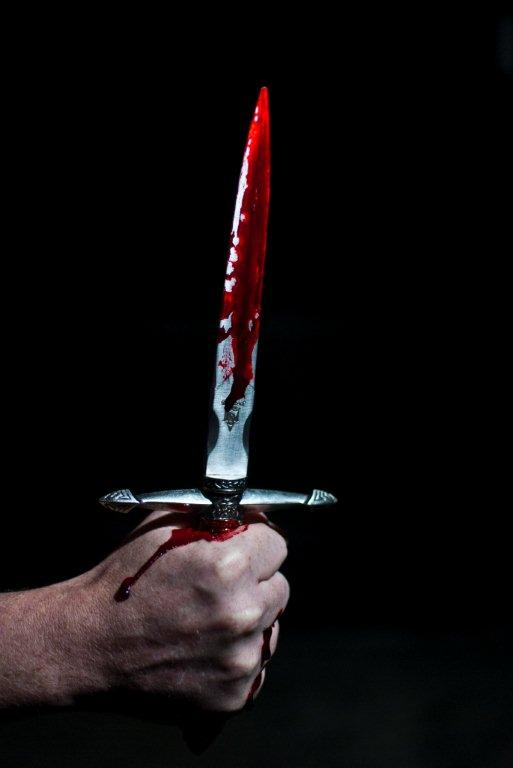
Two bloody daggers killed the king. Macbeth carries two bloody daggers back to a room in plain sight which is a very suspicious and dangerous thing to do. How are you going to cover the crime? Lady Macbeth's plan was foiled because the plan was originally to hold the drunken guards accountable for the murder by leaving the two daggers with them. She then continues the plan of framing them on her own.


Many hyperboles and allusions are presented in Macbeth, specifically the one where it talks about Neptune’s ocean, “Will all great Neptune’s ocean wash this blood clean from my hand?”. This allusion, said by Macbeth alludes to Neptune, the Roman God of the sea. He also asks for all the world's water to cleanse his hands, which are covered in Duncan's blood. There is also another usage of literary devices, “My hands are of your color, but I shame to wear a heart so white” which shows how when Lady Macbeth finishes the deed of putting the daggers back and smearing the blood on chamberlins, she’s just as covered “white” as macbeth. This means that she's just as guilty now. At the end of this scene they wash their hands with water, which makes water an important symbol and motif in Duncan’s murder.


Keep an eye out and notice for a second, what kind of man was Macbeth at the start?

Noble and honorable —---> Wicked and twisted by his ambitions


https://time.com/3816212/brain-murder-morality/

(Here’s an article I found while researching what happens in the brain when people kill)


Reflection

Today, I learned about tone, mood, theme, and literary devices such as allusions can enhance the reading experience of Macbeth as a whole. In Act II, scene ii, the story completely shifted its gears and changed the way the story will continue on. A huge event in the plot took place, Macbeth killing King Duncan. This event felt inevitable, as Macbeth and Lady Macbeth have been eyeing on this perfect opportunity to get a chance and strike, as well as introducing new plot conflicts. Conflicts are strengthened, Macbeth and Lady Macbeth have conflicts with themselves as they are trying to get over the sin they have just committed. The conflicts with their inner selves really come through at this chapter and this is captured via. literary devices (illusion) when Macbeth begs Neptune, God of the Sea, to purify him of his wrongdoings and remove the blood on his hands. The tone and mood of the story has gotten more ominous and darker after the killing, as Macbeth and Lady Macbeth are both paranoid that someone is on to them, due to the knocking of the door. Macbeth also hears strange voices, where the voice says that he cannot sleep anymore, which is conveyed in a spooky and mysterious tone. The mood of the story gets way darker and spookier when the chamberlains scream “Murder” in their sleep right after Macbeth kills Duncan. How scared would you be after you hear murder, after you literally murdered someone? This lesson connected literary devices, mood, and tone together to prove how deep and intricate Macbeth can be. This scene really felt like a whole 180 degree turn of events, but it felt very good after finishing that scene knowing I tackled and processed that huge chunk of information. This lesson taught me how important symbols were in stories, as they keep repeating themselves, like the owl and water in Duncan’s murder. These skills will also sharpen and broaden my horizon of English Language skills which I can use in future writing pieces, essays, or analyzing tests. Overall, this lesson was super insightful and I hope that this blog did a good job of conveying the main points of the lesson.

Blogger #7 - Owen Chen - Period 3 - 12/21/2021

 We began class off with what we left off from yesterday. 


In the beginning we had announcements about the following days. 


We were told to discuss the 12 questions from the previous lesson.


Group discussion about the questions

  1. We believed Shakespeare chose to have the murder set off stage because in the pre lesson we learned about how Macbeth tragedy happens in the play and maybe it was to prevent an actual murder.

  2. The theme of nature that has been revealed at the start of this scene by lady Macbeth is The owl shrieking and the fatal bellman that signals the death of Duncan. Owl shrieking was a symbol of the rational knowledge going away and a sign of death.

  3. Lady Macbeth appears to be weak as she told Macbeth to go back into Duncan’s room and check if he is really dead. This risks the life of Duncan and she doesn't want to put herself in danger. 


Class discussion

  1. The class conversation started off with sean answering the first question saying maybe shakespeare didn’t want an actual murder to occur on stage. Another classmate added in with “someone was stabbed in a play of Macbeth, which created suspense” Another classmate from team 4 said this was an actual play, and it can’t be shown to the audience since they can’t kill royalty on stage


Teacher- Shakespeare doesn’t really show on stage the killing of royalty as this play was for the royalty, and it might anger and piss off the royalty when they show the stabbing of someone representing the royalty . And who knows what might happen after the show. So most of the killings are not shown on stage.


  1. For number 2, the owl’s shriek symbolizes the rational knowledge of Macbeth and Lady Macbeth leaving. Also it symbolizes the death of Duncan.


  1. Lady Macbeth said she wouldn’t have been able to kill Duncan because Duncan looks like her father when he sleeps and she can’t bring herself to kill him. This show she is a hypocrite because she said that Macbeth was scared, a coward and feminine and not very manly yet when she was asked to do murder the king, she didn’t want to do it since the king looks like her father when asleep.


  1. They are nervous and kind of all over the place as they just killed a King and have many different emotions mixed together. As they are reflecting upon what deed they have just committed. 


  1. Macbeth got spooked by the voice in his head and by Donaldbain and Malcolm joking and laughing about murder of the king in his sleep. This spooked Macbeth as it shows that Donaldbain was still awake and screamed murder which made Macbeth think he got caught. He got spooked by every little sound heard.


  1. Macbeth hear someone say sleep no more and murder sleep. Sleep is murderer and the literary device are personification, illiteration, and irony. Macbeth murdered Duncan in his sleep which made Macbeth unable to sleep and also possible assassination in the same manner he did to Duncan which represent the literary device, irony.


  1. He walks out the chamberlain with bloody daggers and he walks around his castle. This ruins the plan as the blood was supposed to be smeared everywhere and the daggers in Duncan. Then which would make people think a killer killed the king and fled leaving the weapon. Now, because Macbeth carried the daggers, this endangers Macbeth, as he could have been caught being seen carrying around bloody daggers.


  1. Macbeth carried the daggers with him when he was supposed to plant it in Duncan’s body. This ruins the plan and to continue with the plan, it means that Macbeth will have to go back to the crime scene and see Duncan’s dead body again.


  1.  This is to make sure he is dead. Macbeth didn’t follow the plan and Lady Macbeth had to go herself and get her hands dirty finishing Macbeth’s job. This might put Lady Macbeth in feelings of scared, terrified and such. It might be too much for her to handle since she hasn't really experienced anything like this, especially finishing off a member of royalty.


  1. He can wash the blood off his hands literally but he will have a conscience of killing someone. He can’t cleanse his sins. Literally wash away the blood with little water but figuratively the little water can’t wash the murder from the mind. This is also an example of allusion.


11. She has to get her hands dirty and smear blood in the chamberlain since Macbeth did not finish his job properly. Resulting in Lady Macbeth having to dirty her clean hands. 


12.Literally wash with little water but this can’t wash the murder from the mind. This cant wash the guilt from both of their actions and it can't wash away their sins as the blood is gone but it is not gone from the mind.


Spirit reading of the teachers key

2 Tracy

3 Lesley

4 Britt

5 Nadine

6 Edward

7 Kelly, 

The deed that Macbeth did, killed off his character. In the beginning of the play, he was noble and proud, now he kills his character being dirty and lowly.

8 William 

9 Edward

10 William


Whole class discussion

How had the tone and mood shifted in this scene?

Kenneth-the tone and mood started shifting from calm to threatening tone with a dark mood.

Macbeth and Lady Macbeth's excitement from being the King and Queen shifted to both of them to be not someone they were before. This crime they committed changed their character’s thinking and rationality.


In what way dynamic characterization has been displayed?

First Macbeth was thane of Cawdor, noble and proud. Then his character changed to cunning and he became a nervous wreck. Not cool headed and not thinking rationally.


This is only act 2 scene 2, and there is this much change in character and this much allusions, symbols, and soliloquies, imagine what happen in the rest of the play


Lady Macbeth went from being loving and nice to cunning, evil, manipulative, and ambitions to kill the king, a roller coaster of characterization.

The play is filled with plot holes throughout.


Watching A film version of the play, Macbeth

36:09-50:30


In the film, you see the guards are drunk and asleep.

Macbeth tests if they are truly asleep by kicking the bodies.

After he confirmed they were really asleep, he took the daggers from the guards and slipped into Duncan’s chamberlain.

There lies the sleeping Duncan.

Macbeth crept over to Duncan's sleeping body, crept closer and closer, stared at him for a few seconds and removed Duncan’s blanket. Duncan wakes up in the film and Macbeth immediately seizes Duncan’s mouth to silence him since he was calling for help and the king struggles and is stabbed to death with a dagger by Macbeth. Duncan then got stabbed in the stomach.

(This was not shown in the book and it was different in the book as Duncan did NOT wake up in the book and he didn’t struggle or cry for help in the book as he did in the film.)

Lady Macbeth thought to herself and got startled by an owl shrieking. Which is a symbol of death.

Macbeth walked out of the room and met Lady Macbeth all bloody.

Macbeth shook, saying it was a sorry sight looking at his arm full of blood.

Lady Macbeth told Macbeth to get water to wash the bloody hand of his.

Lady Macbeth was shocked by the dagger that Macbeth carried with him instead of planted in the king.

Lady Macbeth got her hands dirty by asking for the dangers and going back to the chamberlain and plant the knife in Duncan. Macbeth proceeded to wash his hand. Startled by the knocking on the door. Every noise is startling. Lady Macbeth came back with the same colored hands as Macbeth, painted red with blood. They told themselves to go back to their own chamber and sleep, but the knocking continued.


Going back to the aim


Tone, mood, theme in Macbeth illuminated by symbols, owl, sleep, waters, look for depiction because they are motifs, that is how they contributed to the story as a whole.

End of lesson

Tomorrow is a big lesson